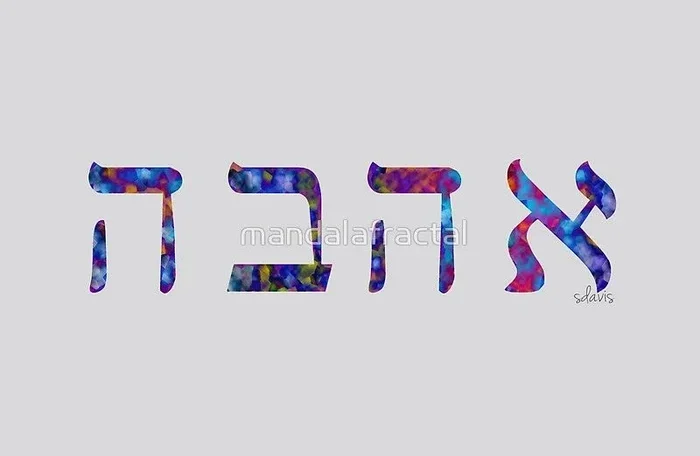

Learning how to say I love you in Hebrew opens a door to one of the oldest and most romantic languages in the world. The most common phrase is “Ani ohev otach” for men and “Ani ohevet otach” for women. Hebrew love words carry deep cultural and biblical roots that make them even more meaningful. Whether you are texting your partner or speaking face to face, knowing these phrases will help you express love in Hebrew like a native. This guide covers translations, pronunciation tips, cultural context, and common mistakes to avoid.
There is something magical about saying I love you in a different language. When you speak those words in Hebrew, you tap into thousands of years of history, culture, and emotion. The Hebrew language carries a warmth that makes every love phrase feel deeper and more sincere.
If you have ever wondered how to say I love you in Hebrew, you are in the right place. This guide walks you through the most common phrases, the cultural meaning behind them, and practical tips for using them in real life. Whether you are in a new relationship, married for years, or just learning a beautiful language, these Hebrew love expressions will help you connect on a whole new level.
Hebrew is not just a language. It is a living bridge between ancient tradition and modern life. When you learn to express love in Hebrew, you are joining millions of people who have used these same words to share their deepest feelings. Let us dive in and explore the beauty of Hebrew love language together.
Key Takeaways
- Core phrase: “Ani ohev otach” (male) and “Ani ohevet otach” (female) are the standard ways to say I love you in Hebrew.
- Biblical depth: Hebrew love words trace back thousands of years, adding spiritual and emotional weight to every phrase.
- Multiple expressions: There are casual, romantic, and poetic ways to express love in Hebrew beyond the basic translation.
- Script matters: Writing love in Hebrew script (Aleph-Bet) adds a beautiful, personal touch for gifts and messages.
- Cultural context: Understanding how Israelis express affection helps you use the right phrase at the right time.
- Common mistakes: Gender agreement and pronunciation are the top pitfalls for English speakers learning Hebrew love phrases.
📑 Table of Contents
- The Most Common Way to Say I Love You in Hebrew
- Different Ways to Express Love in Hebrew
- How to Write I Love You in Hebrew Script
- The Cultural Meaning of Love in Hebrew
- Common Mistakes When Saying I Love You in Hebrew
- Quick Tips for Remembering Hebrew Love Phrases
- Bringing It All Together: Using Hebrew Love in Real Life
- Conclusion
The Most Common Way to Say I Love You in Hebrew
The standard translation of I love you in Hebrew changes slightly depending on whether you are a man or a woman speaking. Hebrew is a gendered language, which means every verb and adjective must match the speaker. This might feel tricky at first, but it becomes natural with a little practice.
For Men: “Ani Ohev Otach”
Men say “Ani ohev otach” (ah-NEE oh-HEV oh-TACH) to express I love you in Hebrew. Let us break this down word by word:
- Ani means “I.”
- Ohev means “love” (masculine form).
- Otach means “you” (feminine form, when speaking to a woman).
Put it together and you get a clear, heartfelt declaration. This is the phrase you will hear most often in everyday Israeli life. It works in romantic settings, but also between close family members and friends.
For Women: “Ani Ohevet Otach”
Women use “Ani ohevet otach” (ah-NEE oh-HEV-et oh-TACH). The only difference is the extra “et” at the end of “ohevet.” This small change makes the verb match the female speaker.
- Ani means “I.”
- Ohevet means “love” (feminine form).
- Otach means “you” (feminine form).
Both versions carry the same emotional weight. The pronunciation is smooth and rhythmic once you get the hang of it. Practice saying each part slowly, then speed up naturally.
Pronunciation Tips That Actually Help
Pronouncing Hebrew love phrases correctly shows respect and effort. Here are some quick tips:
- The “ch” sound in “otach” comes from the back of your throat, like clearing your throat gently.
- The “eh” vowel sounds like the “e” in “let.”
- The “o” in “ohev” sounds like the “o” in “go.”
- Stress usually falls on the second syllable in most Hebrew words.
- Do not worry about perfection. Israelis appreciate the effort more than flawless pronunciation.
Different Ways to Express Love in Hebrew
Hebrew offers more than one way to say I love you. Depending on the situation and your relationship, some phrases feel more romantic, while others are casual and sweet. Let us explore the range of Hebrew romantic language you can use.
Romantic Phrases for Deep Love
When you want to go beyond the basics, these Hebrew love words carry extra emotional depth:
- “Ani ohev otach lihiyot chayim” — I love you to be alive. This phrase adds the idea that your loved one gives your life meaning.
- “Ahavat chayim” — Love of life. Use this to describe how someone makes you feel.
- “Ha’ahava sheli hi shelach” — My love is yours. A poetic way to say your heart belongs to them.
These romantic Hebrew expressions work beautifully in letters, voice messages, or face-to-face conversations. They show that you put thought into your words.
Casual and Sweet Ways to Say Love
Not every moment needs a grand declaration. Sometimes a simple, casual phrase fits better:
- “Ani ohev otach” — Keep it simple and classic for everyday use.
- “Chad li” — One for me. Israelis sometimes use this playfully to mean “you are my one and only.”
- “Tov me’od sheata po” — It is so good that you are here. A sweet way to express gratitude and love.
- “Neshika”** — Kiss. A quick and affectionate term of endearment.
These casual Hebrew love words work great in text messages and daily conversations. They keep the spark alive without feeling too formal.
Using Text Abbreviations in Hebrew Love Messages
Just like in English, people use abbreviations when texting in Hebrew. You might see “wtw” meaning in text conversations (check out this guide on wtw meaning in text) or “ts” meaning in text to understand how people communicate affection digitally. Mixing Hebrew love phrases with modern text abbreviations adds a fun, contemporary twist to your messages.
How to Write I Love You in Hebrew Script
There is something truly special about writing Hebrew love words by hand. The Hebrew script, called Aleph-Bet, flows beautifully and makes any love note feel like a work of art. If you want to surprise your partner, learning to write “I love you” in Hebrew script is a meaningful gesture.
The phrase “Ani ohev otach” in Hebrew script looks like this:
אני אוהב אותך
Each letter has its own shape and sound. The right-to-left direction might feel unfamiliar at first, but with a little practice, you will be able to write it confidently. Here is a quick guide to help:
- Aleph (א) — the first letter, silent but essential.
- Nun (נ) — sounds like “n” in “no.”
- Yod (י) — sounds like “y” in “yes.”
- He (ה) — sounds like “h” in “hello.”
- Bet (ב) — sounds like “b” in “boy.”
- Vet (ב) — the same letter but with a different vowel, sounding like “v.”
- Chet (ח) — the throaty “ch” sound.
- Tav (ת) — sounds like “t” in “top.”
Writing this phrase on a card, a mirror with lipstick, or even a text screenshot can make the moment unforgettable. Hebrew script adds a layer of authenticity that any language learner can appreciate.
The Cultural Meaning of Love in Hebrew
Love in Hebrew is not just about romantic feelings. It carries cultural, spiritual, and historical significance that goes far deeper than the surface level. Understanding this context helps you use Hebrew love phrases with the right intention and emotion.
Biblical Roots of Hebrew Love Words
The Hebrew language has ancient roots, and many love expressions come directly from biblical texts. The word “ahava” (ah-HA-vah), which means love, appears throughout the Torah and other sacred writings. In biblical Hebrew, love is described as an action, not just a feeling. It involves commitment, sacrifice, and deep care.
When you say “ani ohev otach,” you are using a verb form that connects to this ancient tradition. The idea of love as a choice and a daily practice is woven into the language itself. This gives Hebrew love words a timeless quality that few other languages possess.
Even the word “ahava” has a numerical value in Hebrew gematria (a system of assigning numbers to letters). The word ahavah equals 13, which is also the number for “echad” — meaning “one.” This symbolizes unity and oneness in love, a beautiful concept that adds richness to every phrase.
Love in Modern Israeli Culture
Modern Israelis use Hebrew love expressions in everyday life, but the cultural context shapes how they are used. In Israel, directness is valued. People tend to say what they feel openly, without too much hesitation. This cultural trait makes Hebrew love phrases feel genuine and heartfelt.
Israeli couples often mix Hebrew with other languages, especially English. You will hear phrases like “I love you” followed by “ani ohev otach” in the same conversation. This bilingual approach is common and celebrated in Israeli culture.
Understanding this cultural backdrop helps you use the right tone and setting. A casual “ani ohev otach” between friends feels natural, while a more poetic phrase works best in intimate moments. Matching the expression to the context shows emotional intelligence and cultural awareness.
Common Mistakes When Saying I Love You in Hebrew
Learning any new language comes with slip-ups, and Hebrew is no exception. Here are the most common mistakes people make when trying to express love in Hebrew, and how to avoid them.
Forgetting Gender Agreement
The biggest trap for English speakers is forgetting that Hebrew verbs change based on the speaker’s gender. A man says “ohev” and a woman says “ohevet.” Mixing these up can change the meaning or sound grammatically incorrect. Always match the verb form to your own gender, not the person you are speaking to.
Mispronouncing the “Ch” Sound
The Hebrew “ch” (chet) does not sound like the English “ch” in “chair.” It is a guttural sound made from the back of the throat. Many learners substitute it with an English “h” or “k,” which changes the word entirely. Listen to native speakers and practice this sound until it feels natural.
Using the Wrong Form of “You”
Hebrew has different forms of “you” depending on gender and number. “Otach” is for addressing a female singular “you.” If you are speaking to a man, you would use “oto.” Paying attention to these details shows care and respect for the language.
Overcomplicating Simple Phrases
Sometimes learners try to use overly poetic or complex phrases before mastering the basics. Start with “ani ohev otach” or “ani ohevet otach.” Once you feel confident, you can explore more advanced expressions. Simplicity often carries the most emotional impact.
Quick Tips for Remembering Hebrew Love Phrases
Memory tricks make learning Hebrew love expressions much easier. Here are some practical tips that real learners use:
- Break phrases into chunks. Learn “ani” first, then “ohev,” then “otach.” Small pieces are easier to remember than long strings.
- Use flashcards with audio. Hearing the correct pronunciation helps your brain lock in the sounds. Apps like Duolingo and Memrise are great for this.
- Practice out loud every day. Saying “ani ohev otach” in front of a mirror for two minutes a day builds muscle memory.
- Write it by hand. Physically writing Hebrew script engages a different part of your brain and improves retention.
- Watch Israeli movies and shows. Hearing Hebrew love phrases in context makes them feel natural and memorable.
- Teach someone else. Explaining a phrase to a friend reinforces your own understanding and builds confidence.
Consistency matters more than intensity. Five minutes of daily practice beats one long session every week. Over time, these Hebrew love words will roll off your tongue effortlessly.
Bringing It All Together: Using Hebrew Love in Real Life
Now that you know the phrases, the script, and the cultural context, it is time to put everything into practice. The best way to learn how to say I love you in Hebrew is to use it in real moments. Whether it is a text message, a love letter, or a quiet evening conversation, every use strengthens your connection to the language and to the person you are speaking to.
Start with the basics. Master “ani ohev otach” or “ani ohevet otach” until it feels natural. Then gradually add more expressions from the lists above. Mix casual phrases with deeper romantic words to match different moments and moods.
Remember that the goal is not perfection. It is connection. When you speak Hebrew love words, you are sharing a piece of ancient tradition with someone you care about. That alone makes every effort worthwhile.
Hebrew is a language that rewards patience and curiosity. Every new phrase you learn adds another layer of meaning to your conversations. Keep practicing, keep exploring, and most importantly, keep expressing your love with sincerity and joy.
The journey of learning a new language is filled with small victories. Saying I love you in Hebrew for the first time is one of the biggest. Cherish that moment, and let the beauty of the Hebrew language deepen your relationships in ways you never imagined.
Conclusion
Learning how to say I love you in Hebrew is more than a language exercise. It is a way to connect with history, culture, and the deepest parts of human emotion. From the classic “ani ohev otach” to poetic biblical expressions, Hebrew offers a rich palette of love words that resonate with sincerity and depth.
Use the phrases in this guide, practice the pronunciation, and explore the cultural meaning behind the words. Whether you are writing in Hebrew script, texting your partner, or speaking face to face, these expressions will help you share your feelings in a meaningful and memorable way. Start today, and let the beauty of Hebrew love language transform the way you express your heart.
Frequently Asked Questions
What is the simplest way to say I love you in Hebrew?
The simplest and most common way is “Ani ohev otach” for men and “Ani ohevet otach” for women. These phrases are widely understood and used in everyday Israeli conversations. They carry the same emotional weight as the English version.
Is Hebrew a difficult language to learn for expressing love?
Hebrew is not inherently difficult for love expressions. The basic phrase “ani ohev otach” is straightforward and easy to learn. The gendered verb forms might take a little practice, but native speakers are always supportive and encouraging of learners who make the effort.
Can I use Hebrew love phrases in text messages?
Absolutely. Hebrew love phrases work beautifully in text messages. You can write “אני אוהב אותך” or use the transliteration “ani ohev otach.” Combining Hebrew phrases with casual abbreviations like those you see in text shorthand adds a fun and personal touch to your messages.
What does the word “ahava” mean in Hebrew?
“Ahava” (אהבה) means love in Hebrew. It is a noun form used to describe the feeling or concept of love. You will encounter this word frequently in Hebrew songs, poetry, and religious texts. It is one of the most recognized Hebrew love words worldwide.
Are there different Hebrew love phrases for different occasions?
Yes, Hebrew has a range of expressions for different situations. Casual phrases like “chad li” work for everyday sweetness, while deeper phrases like “ani ohev otach lihiyot chayim” suit more intimate or serious moments. Choose the phrase that matches the emotion and setting.
How can I practice Hebrew love phrases effectively?
Practice by saying the phrases out loud daily, writing them by hand, and using them in real conversations or messages. Watching Israeli media and listening to Hebrew music also helps reinforce pronunciation and natural usage. Consistency and real-world application are the keys to retention.



