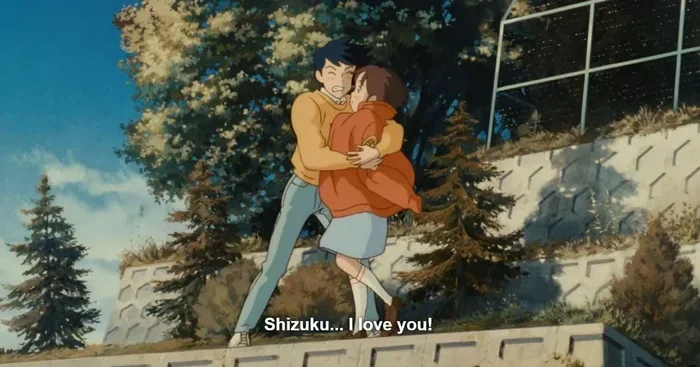

Learning how to say i love you in japanese to a beautiful girl opens up a world of romantic connection and cultural understanding. This guide covers everything from the most common love phrases to the subtle cultural nuances that make Japanese confessions so special. You will walk away with practical phrases, real-world examples, and tips that help you express your feelings with confidence and sincerity.
There is something truly magical about telling someone you love them in their native language. When you learn how to say i love you in japanese to a beautiful girl, you are doing more than just translating words. You are showing respect, effort, and genuine care for her culture and identity.
The Japanese language is filled with layers of meaning, politeness levels, and emotional depth that make romantic expressions uniquely powerful. Whether you are planning a confession, writing a heartfelt message, or simply want to impress the girl you like, this guide has everything you need. Let us dive into the beautiful world of romantic Japanese expressions and help you find the perfect way to say those three little words.
Key Takeaways
- Ai shiteiru is the most direct translation: It means “I love you” and carries deep emotional weight in Japanese culture.
- Suki desu is more commonly used: Japanese people often express love through “I like you” rather than the direct “I love you” phrase.
- Cultural context matters enormously: Understanding Japanese dating customs helps you choose the right moment and the right words.
- Texting adds a modern twist: Knowing how to say love in texts and messages makes your expression feel current and natural.
- Avoid common mistakes: Using overly formal language or saying it too early can create awkward situations.
- Practice makes perfect: Rehearsing the pronunciation and context builds your confidence before the real moment arrives.
📑 Table of Contents
The Most Common Ways to Say I Love You in Japanese
Japanese offers several ways to express love, and each one carries a different level of intensity and formality. Understanding these differences is essential before you open your heart to someone special.
Ai Shiteiru: The Direct Translation
The phrase ai shiteiru is the closest direct translation of “I love you” in Japanese. It is powerful, sincere, and unmistakable. However, many Japanese speakers rarely use this phrase in everyday conversation. It feels very direct and serious, much like how a break a leg meaning in English is not meant literally but carries deep symbolic weight.
When you say ai shiteiru, you are making a bold and heartfelt declaration. This phrase works best in deeply committed relationships or during very meaningful moments. Use it when the time feels right and the emotion is genuine.
Suki Desu: The Softer, More Common Approach
In daily life, most Japanese people prefer saying suki desu, which translates to “I like you.” While it may sound less intense to English speakers, in Japanese culture, it carries the same romantic weight as “I love you.”
This is the phrase you will hear most often in romantic Japanese conversations. It is gentle, sweet, and easy to say. For many couples, suki desu becomes their go-to expression of affection. It feels natural and comfortable, making it perfect for everyday use.
Daisuki Desu: Taking It Up a Notch
If you want to express stronger feelings than suki desu, try daisuki desu. This means “I really like you” or “I love you very much.” The prefix “dai” adds emphasis and intensity to the original phrase.
Daisuki desu strikes a beautiful balance between the soft suki desu and the bold ai shiteiru. Many couples in the early stages of a relationship use this phrase. It shows strong affection without the overwhelming formality of the most direct translation.
Understanding Japanese Love Culture
Before you rush to confess your feelings, it helps to understand how love works in Japanese culture. The japanese dating culture is shaped by traditions, social norms, and a deep respect for emotional harmony.
The Role of Indirect Expression
Japanese communication often favors indirectness over directness. This is especially true when it comes to matters of the heart. Rather than bluntly stating “I love you,” many Japanese people express their feelings through actions, subtle hints, and thoughtful gestures.
This does not mean they do not feel deeply. On the contrary, Japanese people often experience emotions just as intensely as anyone else. They simply choose to express them in ways that feel comfortable and respectful. Understanding this cultural nuance will help you connect more authentically with a Japanese girl.
The Concept of “Amae” in Relationships
Amae is a uniquely Japanese concept that describes the feeling of being lovingly dependent on someone. It is about feeling safe and comfortable enough to lean on another person emotionally. This idea plays a big role in japanese romantic relationships and shapes how couples interact.
When a Japanese girl feels amae toward you, it means she trusts you deeply and feels comfortable being vulnerable. Building this kind of emotional closeness is often more important than any specific phrase you say.
Seasonal and Occasion-Based Confessions
In Japan, certain times of the year hold special significance for romantic confessions. Valentine’s Day and White Day are major occasions when people express their feelings. The cherry blossom season also carries romantic symbolism, representing the beauty and fleeting nature of love.
Timing your confession around one of these meaningful moments can add extra emotional resonance. It shows that you understand and appreciate Japanese cultural traditions, which many girls find incredibly thoughtful and attractive.
Romantic Phrases Beyond “I Love You”
While “I love you” is powerful, Japanese offers a treasure trove of other romantic expressions. These phrases can help you convey your feelings in different contexts and at different stages of a relationship.
Pretty and Complimentary Phrases
Compliments go a long way in Japanese romance. Here are some beautiful phrases to try:
- Kawaii desu ne – “You are so cute”
- Kirei desu – “You are beautiful”
- Watashi no eiyo desu – “You are my treasure”
- Anata wa tokubetsu desu – “You are special to me”
- Kimi no egao ga hoshii – “I want to see your smile”
These japanese romantic words show that you notice and appreciate her in specific ways. They feel personal and heartfelt, which is exactly what a girl wants to hear.
Phrases for Deep Emotional Connection
When you want to express a deeper level of commitment, consider these phrases:
- Anata to issho ni itai – “I want to be with you”
- Kimi dake wo mitsumeteru – “I am looking only at you”
- Anata ga iru dake de ii – “I am happy just having you near me”
- Watashi no sekai ni anata ga iru – “You are in my world”
These expressions focus on togetherness and presence. They communicate love through the promise of companionship, which resonates deeply in japanese relationship terms and cultural values.
Cute and Playful Phrases for Texting
Texting is a huge part of modern dating, and Japanese culture is no exception. When you are chatting with your crush, you might come across various texting styles and abbreviations. Sometimes you may see shorthand like wtw meaning in text pop up in casual conversations, even among Japanese speakers who mix English abbreviations into their texts. Similarly, you might encounter ts meaning in text as another common abbreviation that appears in digital communication.
For your own messages, here are some cute texting phrases:
- Suki da yo – “I like you” (casual and warm)
- Kyuu ni suki – “I like you suddenly” (a playful confession)
- Anata ni deaete yokatta – “I am glad I met you”
- Kimi wo omotteru – “I am thinking about you”
Using these phrases in texts adds a modern, relatable touch to your romantic communication. They feel natural and show that you are thoughtful about how you connect digitally.
How to Choose the Right Moment to Confess
Timing is everything when you want to say i love you in japanese to a beautiful girl. The right moment can make your confession unforgettable, while the wrong moment might feel rushed or awkward.
Reading Her Signals
Before you confess, pay attention to her body language and behavior. Does she seek you out? Does she laugh at your jokes and engage in long conversations? These are positive signs that she enjoys your company and may be open to deeper feelings.
On the other hand, if she seems distant or keeps conversations short, it might be worth building more comfort and trust first. Rushing a confession before there is a foundation of mutual interest can create unnecessary pressure.
Choosing a Meaningful Setting
The setting of your confession matters a great deal. Choose a place that feels personal and intimate without being overly public. A quiet park bench, a cozy café, or a scenic spot overlooking the city can all work beautifully.
Avoid confessing in front of large groups of people. Japanese culture places a high value on privacy and emotional grace, especially in romantic situations. A private setting shows that you respect her feelings and give her space to respond naturally.
The Power of Simple sincerity
You do not need fancy words or an elaborate speech to win someone’s heart. In fact, simple sincerity often works better than rehearsed lines. Look her in the eyes, speak from your heart, and let the words flow naturally.
Even if your japanese pronunciation is not perfect, the effort and emotion behind your words will shine through. She will appreciate the fact that you took the time to learn her language and express your feelings in a meaningful way.
Common Mistakes to Avoid When Saying I Love You in Japanese
Even with the best intentions, mistakes can happen. Being aware of common pitfalls helps you navigate the confession process smoothly and respectfully.
Using overly Formal Language
One of the biggest mistakes learners make is using keigo (formal Japanese) when expressing love. Phrases like “ai shite orimasu” sound stiff and distant. Love calls for warmth and closeness, so stick with casual or polite forms like “suki da yo” or “daisuki desu.”
Saying It Too Soon
In Japanese culture, emotional intimacy builds gradually. Saying “I love you” too early in a relationship can feel overwhelming. Take time to build trust, share experiences, and develop a genuine connection before making a grand declaration.
Ignoring Non-Verbal Communication
Actions speak louder than words in Japanese romance. A thoughtful gift, a gentle gesture, or simply being there during difficult times communicates love more powerfully than any phrase. Combine your words with meaningful actions for the fullest impact.
Literal Translations That Fall Flat
Direct word-for-word translations often miss cultural nuance. For example, saying “I love you” the exact English way can feel too blunt for many Japanese ears. Always consider the cultural context and choose expressions that feel natural within japanese romantic customs.
Expert Tips for Making Your Confession Memorable
Want to go the extra mile? Here are some expert-backed tips to make your confession truly special and unforgettable.
- Practice beforehand: Rehearse your chosen phrase until it feels natural and comfortable on your tongue.
- Write a handwritten letter: In a digital age, a handwritten note in Japanese stands out as incredibly personal and thoughtful.
- Pair words with a small gift: A simple gift like flowers or a meaningful token adds a tangible element to your emotional expression.
- Be prepared for any response: She may need time to process her feelings. Respect her response with grace and patience.
- Learn about her specific background: Japanese culture varies by region and personal experience. Showing that you understand her unique perspective sets you apart.
Remember, the goal is not perfection. The goal is genuine connection. When you combine sincere words with respectful cultural awareness, you create a moment that both of you will cherish.
Conclusion
Learning how to say i love you in japanese to a beautiful girl is about much more than just vocabulary. It is about bridging cultures, showing respect, and expressing your deepest emotions in a way that resonates with her heart. Whether you choose the bold ai shiteiru, the gentle suki desu, or the heartfelt daisuki desu, what matters most is the sincerity behind your words.
Take your time, practice the phrases, understand the cultural context, and choose the right moment. When you combine japanese love expressions with genuine emotion and cultural awareness, you create something truly beautiful. So go ahead, take a deep breath, and let your heart speak in a language that transcends borders and brings two souls closer together.
Frequently Asked Questions
What is the most natural way to say I love you in Japanese to a girl?
The most natural and commonly used phrase is “suki desu,” which means “I like you.” In Japanese culture, this carries the same romantic weight as “I love you” in English. It feels warm, comfortable, and perfect for everyday use in a relationship.
Is it okay to say “ai shiteiru” early in a relationship?
It is generally better to wait. “Ai shiteiru” is a very direct and serious declaration. Japanese culture tends to build emotional intimacy gradually, so saving this phrase for a meaningful, committed moment makes it feel even more special and sincere.
Do Japanese girls prefer English love phrases or Japanese ones?
Most Japanese girls deeply appreciate it when someone makes the effort to express love in their native language. Even if your pronunciation is imperfect, the thought and respect behind learning “how to say i love you in japanese to a beautiful girl” will leave a lasting impression.
Can I use romantic Japanese phrases in text messages?
Absolutely. Texting is a natural and modern way to express feelings. Phrases like “suki da yo” or “anata wa tokubetsu desu” work beautifully in text messages and help keep the romantic connection alive throughout the day.
What cultural mistakes should I avoid when confessing love in Japan?
Avoid using overly formal language, confessing too early, being overly public, or relying on literal English translations. Understanding the role of indirect expression and emotional harmony in Japanese culture will help you navigate the moment with grace and respect.
How does Japanese Valentine’s Day differ from Western traditions?
In Japan, women typically give chocolates to men on Valentine’s Day, and men reciprocate on White Day a month later. Understanding this tradition shows cultural awareness and can inspire a thoughtful, contextually appropriate romantic gesture when you are ready to confess your feelings.



