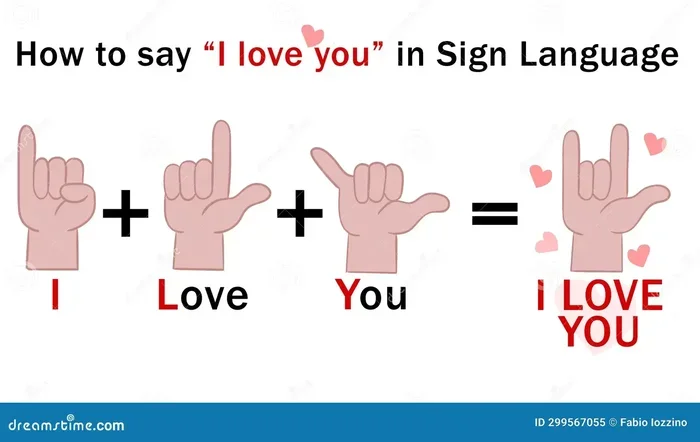

Learning how to say I love you in sign language ASL is easier than most people think. The classic I love you sign uses your thumb, index finger, and pinky finger while keeping your ring and middle fingers folded down. Whether you want to surprise a deaf friend, connect with the deaf community, or simply add a romantic gesture to your communication toolkit, this guide gives you everything you need to get started.
There is something truly beautiful about expressing love through sign language. When you learn how to say I love you in sign language ASL, you open a door to a richer, more inclusive way of connecting with people. The ASL I love you sign is one of the most recognized gestures in the world. It crosses cultures, ages, and abilities. Whether you are in a relationship, building a friendship, or just curious about nonverbal communication, this sign carries deep meaning.
American Sign Language is not just a set of hand movements. It is a full language with its own grammar, expressions, and culture. The deaf community has used ASL for centuries to share emotions, stories, and everyday moments. Learning even a few basic signs can change the way you interact with others. The love sign in ASL is often the very first thing people want to learn. It is powerful, simple, and full of heart.
In this guide, we will walk you through everything you need to know. From the exact hand position to common mistakes and extra romantic phrases, you will find clear and practical steps. You do not need any prior experience with sign language for beginners. Just a willingness to learn and a little patience. Let us dive in and explore how to say I love you in sign language ASL the right way.
Key Takeaways
- The I Love You sign in ASL is simple: extend your thumb, index finger, and pinky while folding in the other two fingers.
- Hand orientation matters: the sign can face outward toward the person or toward yourself depending on context.
- Facial expressions add meaning: a genuine smile or soft eye contact makes your ASL love sign feel authentic and warm.
- Other romantic ASL phrases exist: learn signs like beautiful, sweetheart, and forever to expand your emotional vocabulary.
- Common mistakes slow you down: avoid waving all fingers, mixing up handshapes, and forgetting your face.
- Practice makes permanent: daily repetition with a mirror or partner builds muscle memory fast.
📑 Table of Contents
- What Does I Love You Mean in ASL?
- How to Make the I Love You Sign Step by Step
- Common Mistakes People Make When Signing I Love You
- Other Romantic ASL Phrases to Express Love
- Why Learning ASL Love Signs Matters
- Quick Tips for Practicing ASL Love Signs
- Comparison Table: I Love You Sign vs. Common Misunderstandings
- Expert Insights on ASL and Emotional Expression
- How to Say I Love You in Sign Language ASL: Key Takeaways
What Does I Love You Mean in ASL?
The ASL meaning of the I love you sign goes far beyond a simple hand shape. In the deaf community, this gesture represents genuine affection, care, and emotional connection. When someone signs I love you to you, it is a complete expression of love. It is not just a word replacement. It is a full emotional statement delivered with your hands, face, and body.
Understanding the ASL meaning behind this sign helps you use it with confidence. The sign combines three key elements. First, the handshape itself. Second, the direction your palm faces. Third, your facial expression. Together, these elements create a sign that feels warm, sincere, and unmistakable. Many people learn the handshape quickly but forget about facial expressions. That is where the real magic happens.
It is also worth noting that ASL is not a universal language. Different countries have their own sign languages. British Sign Language, or BSL, is different from ASL. The I love you sign we cover here is specific to American Sign Language. If you want to communicate with someone who uses ASL, learning this sign is a wonderful starting point. You can also explore the asl meaning slang to pick up more casual and modern signs used in everyday conversations.
How to Make the I Love You Sign Step by Step
Now let us get into the actual hand movements. Learning the I love you sign ASL correctly from the start saves you from bad habits later. Follow these steps carefully and practice each one slowly.
Step 1: Start with an Open Hand
Hold your hand up with your palm facing outward. Your fingers should be relaxed and slightly spread apart. This is your starting position. Keep your wrist straight and your hand steady. Think of it as a friendly greeting position before you form the specific handshape.
Step 2: Fold Your Middle and Ring Fingers
Now bring your middle finger and ring finger down toward your palm. Let them rest gently against your palm or curl them slightly. These two fingers stay folded for the entire sign. This is the part that makes the handshape unique. If you accidentally keep those fingers up, the sign changes meaning entirely.
Step 3: Keep Your Thumb, Index Finger, and Pinky Extended
Your thumb should point outward at a slight angle. Your index finger should point straight up. Your pinky finger should also extend outward. Together, these three fingers form the letters I, L, and Y in the sign language alphabet. This is why the sign looks like a casual hand gesture for the letters ILY. The shape is intentional and meaningful.
Step 4: Add Your Facial Expression
This step is crucial. Smile gently or show warm eye contact while making the sign. Your face tells the listener that this is a loving gesture. Without emotion, the handshape alone can look like a random hand wave. A soft smile and slightly raised eyebrows make the sign feel genuine and personal.
Step 5: Direct the Sign Toward the Person
Move your hand slightly toward the person you are signing to. You can hold it steady or give it a small forward motion. If you are signing to yourself, face the hand toward your own chest. The direction adds context and intention to your gesture.
Common Mistakes People Make When Signing I Love You
Even though the I love you sign looks simple, many beginners make avoidable errors. Knowing these mistakes helps you sign correctly from day one. Here are the most common issues people run into.
- Waving all fingers: Some people spread all five fingers out instead of folding two down. This changes the meaning completely. The sign will look like a loose wave or a different gesture altogether.
- Wrong handshape: Confusing the thumb and pinky position is common. Make sure your thumb points outward and your pinky extends to the side. A small adjustment makes a big difference.
- Forgetting facial expressions: The face carries half the meaning in ASL. A blank face makes even the perfect handshape feel empty. Always pair your sign with a warm expression.
- Signing too fast: Speed does not help you learn. Slow down and focus on clean handshapes. Once the muscle memory builds, speed comes naturally.
- Using the wrong hand: Most ASL signs are performed with the dominant hand. If you are right-handed, use your right hand. Consistency matters.
Avoiding these mistakes will make your signing look natural and confident. If you are also curious about other text and slang abbreviations, check out WTW meaning in text to expand your knowledge of modern communication shorthand.
Other Romantic ASL Phrases to Express Love
The I love you sign is just the beginning. ASL has a rich collection of romantic and affectionate signs that let you express a full range of emotions. Learning a few extra phrases makes your sign language skills feel more complete and personal.
I Love You Forever
To sign forever, hold your open hand flat and draw a large circle in the air. Combine this with the I love you sign and you have a powerful declaration. This phrase is perfect for anniversaries, wedding vows, or simply telling someone they matter to you always.
You Are Beautiful
To sign beautiful, start with your thumb and index finger near your chin. Move your hand outward and downward slightly while changing your handshape. Pair this with the I love you sign for a full compliment that will make anyone smile.
My Sweetheart
Use a tender hand motion near your chest to sign sweetheart. This is a casual and affectionate way to refer to someone you care about deeply. Combine it with the love sign for extra emphasis.
You can also explore the ASL meaning of various signs to build a richer vocabulary. Understanding the full ASL meaning of romantic signs helps you communicate with depth and sincerity.
Why Learning ASL Love Signs Matters
Learning how to say I love you in sign language ASL is not just a cool trick. It is a meaningful way to connect with people. The deaf community relies on sign language every day to express the full range of human emotions. When you learn even a few signs, you show respect for their language and culture.
Nonverbal communication plays a huge role in how we connect with others. Studies show that body language and gestures often carry more emotional weight than spoken words. ASL taps into this truth beautifully. The love sign in ASL uses your hands, face, and body together to create a complete emotional message.
There are also practical benefits. If you have a friend, partner, or family member who is deaf or hard of hearing, knowing these signs can strengthen your relationship. It shows effort, care, and a willingness to meet them where they are. Even if you do not know anyone who uses ASL, learning these signs broadens your understanding of human communication and makes you a more empathetic person.
Quick Tips for Practicing ASL Love Signs
Practice is the secret to mastering any sign language skill. Here are some quick and effective tips to help you get better fast.
- Practice in front of a mirror: Watch your handshape and facial expressions together. This helps you spot errors and adjust in real time.
- Record yourself: Use your phone to record short signing clips. Play them back and compare your handshape to reference images or videos.
- Sign with a partner: Find a friend who also wants to learn. Practice signing I love you to each other in natural conversations.
- Use it daily: Sign I love you to someone in your life every day. Real-world use builds confidence and muscle memory faster than any drill.
- Watch ASL videos: Search for ASL tutorials online and observe how native signers form and use the love sign. Pay attention to their speed, facial expressions, and flow.
- Be patient with yourself: Learning a new language takes time. Celebrate small wins and keep practicing consistently.
If you are also interested in how different communication methods compare, you might enjoy learning about TS meaning in text and how modern slang shapes the way we connect online and offline.
Comparison Table: I Love You Sign vs. Common Misunderstandings
| Aspect | Correct ASL Sign | Common Misunderstanding |
|---|---|---|
| Handshape | Thumb, index, and pinky extended; middle and ring folded | All five fingers spread out |
| Palm Direction | Facing outward toward the person | Palm facing inward or sideways |
| Facial Expression | Warm smile, soft eye contact | Blank or neutral face |
| Hand Used | Dominant hand only | Switching between both hands |
| Speed | Slow and deliberate at first | Rushed and sloppy |
This table makes it easy to see the difference between a correct and incorrect sign. Keep it handy while you practice. Over time, the correct version will feel natural and automatic.
Expert Insights on ASL and Emotional Expression
Experts in deaf education and sign language linguistics emphasize that ASL is a visual language. Every sign, including the I love you gesture, carries layers of meaning. According to Dr. Joseph Murray, a prominent ASL instructor, the emotional weight of a sign comes from three sources: the handshape, the facial expression, and the body movement. When all three work together, the result is a sign that feels alive and genuine.
Another expert insight comes from deaf culture advocates. They point out that learning ASL love signs is a form of inclusion. It shows that you value the deaf community and want to bridge communication gaps. This perspective shifts learning from a simple skill to a meaningful act of connection and respect.
Many people also discover that signing feels more intimate than speaking. There is something special about using your hands to express love. It requires presence, attention, and vulnerability. These qualities make the I love you sign in ASL feel deeply personal every time you use it.
How to Say I Love You in Sign Language ASL: Key Takeaways
Mastering how to say I love you in sign language ASL is a rewarding journey. The core handshape is simple: thumb, index finger, and pinky extended with the other two fingers folded down. Add a warm smile, face the sign toward the person, and you have a complete expression of love. Avoid common mistakes like spreading all fingers or forgetting your face. Expand your skills with romantic phrases like forever, beautiful, and sweetheart. Practice daily, be patient, and enjoy the process of connecting through this beautiful visual language.
The I love you sign ASL is more than a gesture. It is a bridge between people, cultures, and experiences. Whether you use it with a partner, a friend, or a stranger in the deaf community, it carries universal warmth and sincerity. Start practicing today and watch how this small sign opens up big possibilities in your relationships and communication.
Frequently Asked Questions
What is the ASL sign for I love you?
The ASL sign for I love you involves extending your thumb, index finger, and pinky finger while folding your middle and ring fingers down. Hold your palm facing outward and add a warm smile or gentle eye contact. This handshape forms the letters I, L, and Y in the sign language alphabet, making it easy to remember.
Is the I love you sign the same in all sign languages?
No, sign languages differ from country to country. The I love you sign described here is specific to American Sign Language, or ASL. British Sign Language and other sign languages have their own versions of expressing love. Always learn the sign language specific to your region or the person you are communicating with.
Can I use the I love you sign in casual text conversations?
Yes, many people use the ILY hand gesture in casual settings, especially in the deaf community and among friends who know ASL. You might also see it used as a symbol or emoji in digital communication. However, in formal ASL conversations, the sign carries more depth when paired with facial expressions and body language. You can also explore what wtw meaning in text refers to if you are curious about other modern communication abbreviations used alongside sign language.
How long does it take to learn the I love you sign in ASL?
Most people can learn the basic handshape within a few minutes of practice. However, signing it naturally with proper facial expressions and flow takes a few days of consistent practice. The key is to practice slowly at first and gradually build speed as your muscle memory develops.
Do I need to know the entire ASL alphabet to sign I love you?
No, you do not need to know the full alphabet. The I love you sign happens to incorporate three letters from the ASL alphabet, but you can learn it as a standalone sign. That said, learning the full alphabet is a great next step if you want to expand your ASL skills and finger spelling abilities.
Why is facial expression so important in ASL?
In ASL, facial expressions serve as the grammar and emotional tone of your message. A sign without expression can feel flat or confusing. When you sign I love you, a warm smile and soft eye contact tell the other person that your gesture is sincere and heartfelt. Your face is just as important as your hands in sign language communication.
=== CONCLUSION ===
Learning how to say I love you in sign language ASL is one of the most rewarding skills you can pick up. It is simple, powerful, and full of heart. The ASL love sign connects you to the deaf community and gives you a beautiful way to express affection without words. From the correct handshape to facial expressions and practice tips, this guide has covered everything you need to get started. Remember to avoid common mistakes, expand your vocabulary with romantic phrases, and practice a little every day. The more you sign, the more natural and meaningful it becomes. Start today and let your hands speak the language of love.