
Want to know how to say idk in French? The most common translation is je ne sais pas, but there are also casual and texting-friendly alternatives that make your French sound way more natural. Whether you are texting a friend or chatting in person, this guide covers every way to express “I don’t know” in French with real examples and practical tips.
Have you ever been in a French conversation and suddenly blanked? You want to say “I don’t know” but your brain just freezes. Maybe you have seen the letters “idk” floating around in text messages and wondered how to say that in French. The good news is that it is way simpler than you think.
In this guide, we will walk you through every natural way to say idk in French. Whether you are a complete beginner or just brushing up on your skills, you will find practical examples, easy translations, and texting shortcuts that actually work. Let us dive right in.
Key Takeaways
- The standard translation of idk in French is “je ne sais pas,” which works in all situations.
- Casual alternatives like “je sais pas” and “chuis pas sûr” make your French sound more natural in everyday conversations.
- Texting in French has its own shortened forms, similar to how “idk” is used in English texts.
- Context matters a lot, so choosing the right phrase depends on who you are talking to and the setting.
- Pronunciation tips help you sound confident and avoid common beginner mistakes.
- Other French abbreviations like “wtf” and “ts” are also popular in French texting culture.
- French culture values informal expressions, so learning slang builds real conversational fluency.
📑 Table of Contents
- What Does Idk Mean and Why Do People Use It?
- The Standard Way to Say Idk in French
- Casual and Informal Ways to Say I Don’t Know
- French Texting Abbreviations for I Don’t Know
- How Context Changes Your Choice
- Common Mistakes Beginners Make When Saying I Don’t Know in French
- Quick Tips to Sound More Natural in French
- How French Idioms Compare to Idk
- Wrapping It All Up
What Does Idk Mean and Why Do People Use It?
Idk stands for “I don’t know.” It is one of the most common abbreviations used in texting and online conversations. People use it because it is fast, easy, and feels casual. You will see it everywhere, from group chats to social media comments.
In English, idk is super casual. You would not say it in a job interview or a formal email. But among friends? It is totally normal. The same idea applies in French. Knowing when and how to use informal phrases is a big part of sounding natural.
French has its own set of text abbreviations that work the same way. For example, if you have ever seen “wtf meaning in text” used in French conversations, that is the same kind of casual shorthand. Understanding these patterns helps you keep up with real, everyday French.
The Standard Way to Say Idk in French
Je Ne Sais Pas
The most direct and widely accepted translation of “I don’t know” in French is je ne sais pas. This phrase works in every situation. Whether you are talking to a teacher, a stranger, or a close friend, this is always correct.
Here is a simple breakdown:
- Je = I
- ne = not (part of the negation)
- sais = know (from the verb savoir)
- pas = not
Put them together and you get “je ne sais pas.” It might look a bit long at first, but with practice it becomes second nature. The key is to say it with confidence. French speakers use this phrase hundreds of times a day, so you will fit right in.
Quick Tip: In spoken French, the “ne” is often dropped in casual settings. So “je sais pas” is very common in everyday speech, even though “je ne sais pas” is the proper written form.
Casual and Informal Ways to Say I Don’t Know
If you want to sound more relaxed and natural, there are several informal options. These are the phrases French people actually use when they are hanging out, texting, or just chatting casually.
Je Sais Pas
This is the casual version of “je ne sais pas.” You drop the “ne” and just say “je sais pas.” It is perfect for informal conversations and texts. Most native speakers prefer this version when they are talking to friends.
Example:
“Tu sais où est la fête ce soir?”
“Je sais pas, désolé!”
Chuis Pas Sûr
This means “I am not sure.” It is a great alternative when you kind of know the answer but are not confident. The word “chuis” is slang for “je suis” (I am), and it is used all the time in casual French.
Example:
“Est-ce qu’il va pleuvoir demain?”
“Chuis pas sûr, regarde dehors.”
Ah Je Sais Pas
This is a very natural, conversational way to say “oh, I don’t know.” The “ah” at the beginning adds that feeling of hesitation or surprise. It is perfect for real-time conversations when you are caught off guard.
Example:
“Quel film tu veux voir ce weekend?”
“Ah je sais pas, qu’est-ce qu’on a envie de regarder?”
French Texting Abbreviations for I Don’t Know
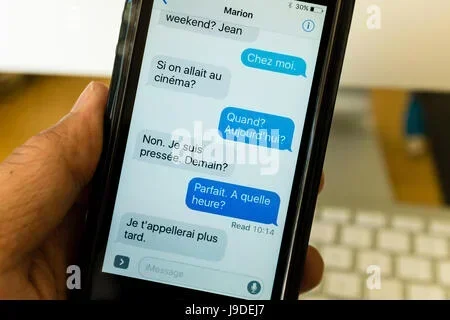
Just like English speakers use “idk” in texts, French speakers have their own shortened versions. These abbreviations make texting faster and feel more authentic.
JSP
JSP stands for “je sais pas.” It is the texting shorthand version and is used extremely often in French messages. If you are texting a French friend, this is probably what they will type.
Example text:
“Tu viens ce soir?”
“JSP, je te dis ça demain.”
J’en Ai Pas Idea
This is a fun mix of French and English. Some French speakers, especially younger ones, actually use the English word “idea” in their French texts. It is not proper French, but it is widely understood and very common in informal texting.
Example:
“C’est quoi l’adresse du restaurant?”
“J’en ai pas idea, cherche sur Google.”
French texting culture is full of these creative blends. You might also come across other abbreviations like ts meaning in text which is another popular shorthand used in casual French conversations. Learning these little shortcuts helps you understand real French texts and messages.
How Context Changes Your Choice
One of the most important things to understand is that context shapes which phrase you should use. French is a language where formality matters, and picking the wrong level of casualness can feel awkward.
Formal Situations
In a work meeting, a classroom, or when speaking to someone you do not know well, stick with je ne sais pas. This is polite, clear, and respectful. It never sounds wrong.
Informal Situations
With friends, family, or people your age, feel free to use je sais pas, chuis pas sûr, or JSP. These sound natural and show that you understand French casual culture.
Texting and Social Media
In texts, DMs, and online chats, abbreviations like JSP and mixed-language phrases are totally fine. French people use them all the time. Just like English speakers might use “idk” or “wtf meaning in text” casually, French speakers blend their language with shortcuts for speed and style.
If you are curious about other aspects of French culture and language, exploring topics like funny French names can give you a fun deeper look into how the language works in everyday life.
Common Mistakes Beginners Make When Saying I Don’t Know in French
Learning any new language comes with mistakes, and French is no exception. Here are some common errors to watch out for.
- Forgetting the negation. Saying “je sais” instead of “je ne sais pas” actually means “I know,” not “I don’t know.” Always include “pas” to make it negative.
- Using formal phrases in casual settings. Saying “je ne sais pas” with your best friends can sound stiff. Drop the “ne” and keep it relaxed.
- Overusing English abbreviations. While “J’en ai pas idea” is fun, using too much English in French texts can confuse people. Balance is key.
- Mispronouncing “sais.” The “s” in “sais” is silent. It sounds like “say,” not “saze.” Practice saying it slowly at first.
- Ignoring body language. In French culture, how you say something matters as much as the words. A simple shrug with “je sais pas” adds natural meaning.
Quick Tips to Sound More Natural in French
Want to level up your French conversations fast? Here are some practical tips that make a real difference.
- Listen to French podcasts and videos. Hearing real conversations helps you pick up natural phrasing and slang.
- Practice with language exchange partners. Apps like Tandem or HelloTalk connect you with native French speakers who can correct your mistakes.
- Watch French shows with subtitles. You will pick up how people actually talk, not just how textbooks say things.
- Use slang in the right setting. Save casual phrases for informal chats and stick to proper French in serious situations.
- Do not be afraid to make mistakes. Every mistake is a learning step. French people appreciate the effort, even if your grammar is not perfect.
How French Idioms Compare to Idk
French is full of colorful expressions that convey “I don’t know” in creative ways. These idioms add flavor to your conversations and show deeper cultural understanding.
| Expression | Literal Translation | Actual Meaning |
|---|---|---|
| Je ne sais pas | I not know not | I don’t know |
| Chuis pas sûr | I am not sure | I don’t know / I am not sure |
| Bof | Meh | I don’t care / I don’t know |
| Qui sait? | Who knows? | Who knows? (I don’t know) |
| J’en ai aucune idée | I have no idea | I have no idea |
Expressions like bof are super casual and very French. It is basically a shrug in one word. You will hear it constantly in everyday French. Meanwhile, “qui sait?” adds a philosophical or curious tone, like saying “who knows?” when you genuinely have no idea.
These idioms are great to sprinkle into your conversations. They make you sound more fluent and culturally aware. Start with “je ne sais pas” and “bof,” and then add more as you get comfortable.
Wrapping It All Up
So there you have it. The next time you want to say idk in French, you have plenty of options. The standard je ne sais pas works everywhere. The casual je sais pas fits everyday conversations. The texting shortcut JSP is perfect for messages. And fun expressions like bof and qui sait? add personality to your French.
The key is to match your phrase to the situation. Formal settings call for the full, proper version. Casual chats and texts welcome shortcuts and slang. With practice, choosing the right phrase will feel natural and automatic.
Keep experimenting, keep practicing, and most importantly, have fun with it. French is a beautiful language, and even saying “I don’t know” in French can sound charming when you say it the right way.
Frequently Asked Questions
Is “je ne sais pas” the only way to say idk in French?
No, there are many ways. “Je sais pas,” “chuis pas sûr,” “JSP,” and expressions like “bof” and “qui sait?” are all common alternatives. The right choice depends on the situation and how casual you want to sound.
Can I use English abbreviations like “idk” in French texts?
Yes, some French speakers understand “idk” especially in online spaces, but it is better to learn French equivalents like “JSP” (je sais pas). Using French abbreviations shows respect for the language and helps you blend in better.
What is the difference between “je ne sais pas” and “je sais pas”?
“Je ne sais pas” is the proper, full form used in writing and formal speech. “Je sais pas” drops the “ne” and is the casual spoken version. Both mean the same thing, but the second one sounds more relaxed and natural in everyday conversations.
Do French people really text using abbreviations like JSP?
Absolutely. Text abbreviations are extremely common in French texting culture. JSP, C (for “c’est”), and other shortcuts are used by people of all ages. They make texting faster and feel more authentic.
What should I do if I don’t know a French word while speaking?
You can say “je ne sais pas” or “comment dit-on…?” (how do you say…?). French people are generally very patient and helpful with learners. Don’t be afraid to ask or use a simple phrase like “chuis pas sûr.”
Are there any other French texting abbreviations I should know?
Yes! Some popular ones include “C” for “c’est,” “PAS” for “pas,” and “TT” for “trop.” You might also encounter abbreviations like “ts” in French texting. Understanding these helps you read and respond to messages more naturally.



