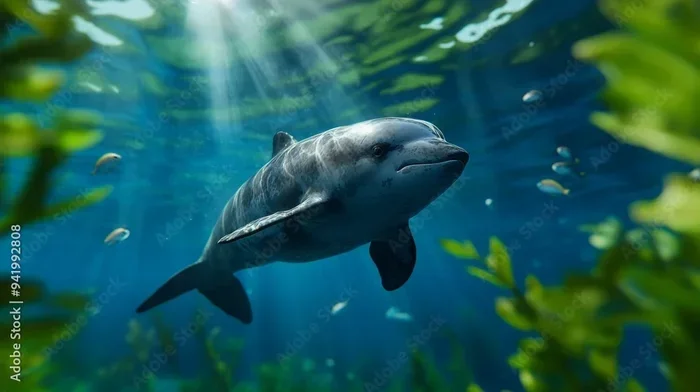

Want to know how to say vaquita like a pro? This guide breaks down the correct vaquita pronunciation step by step, so you can sound confident every time. You will learn the phonetic spelling, common mistakes, and fun facts that make this tiny porpoise name easy to remember.
Have you ever heard someone say the word vaquita and thought, “Wait, how do you actually say that?” You are not alone. The name of this amazing little porpoise trips up a lot of people. But here is the good news. Learning how to say vaquita correctly is easier than you might think. In this guide, we will walk you through every step of the vaquita pronunciation. You will sound like a pro in no time.
The vaquita is not just a fascinating marine animal. It is also the world’s smallest porpoise. Found only in the northern Gulf of California, this endangered species has captured the hearts of marine biologists and animal lovers everywhere. But before you can talk about saving the vaquita, you need to know how to say its name the right way. That is exactly what this article is all about.
Whether you are a student, a wildlife enthusiast, or just someone who loves learning new things, this guide has you covered. We will break down the syllables, highlight common mistakes, and share fun facts along the way. By the end, you will feel confident saying vaquita in any conversation. Let us dive in.
Key Takeaways
- Correct pronunciation: vaquita is pronounced vah-KEE-tah, with three clear syllables and stress on the middle
- Name origin: The word comes from Spanish, meaning “little cow,” given by Mexican fishermen
- Common mistake: Many people mispronounce the middle syllable or add extra sounds that do not exist in Spanish
- Quick tip: Think of “va-KEY-ta” as your anchor phrase to lock in the correct stress pattern
- More than a name: The vaquita is the world’s smallest and most endangered porpoise, found only in the Gulf of California
- Impress others: Share fun facts about the vaquita to spark conversations about marine conservation and species protection
- Easy to master: With a little daily practice, anyone can say vaquita like a native Spanish speaker
📑 Table of Contents
- What Is a Vaquita and Why Does Its Name Matter?
- How to Say Vaquita: The Correct Pronunciation Step by Step
- Common Mistakes People Make When Saying Vaquita
- The Vaquita in Context: More Than Just a Name
- Quick Tips to Master Vaquita Pronunciation
- Impress Your Friends: Fun Facts About the Vaquita
- Conclusion
What Is a Vaquita and Why Does Its Name Matter?
The vaquita is a small cetacean that belongs to the porpoise family. Its scientific name is Phocoena sinus. This tiny marine mammal lives exclusively in the northern part of the Gulf of California, Mexico. With fewer than 10 individuals left in the wild, the vaquita holds the sad title of being the most endangered marine mammal on Earth.
But why does the name matter so much? Well, language is how we connect with the world around us. When you learn how to say vaquita correctly, you are honoring the animal and the culture it comes from. The name itself carries history, meaning, and a story worth knowing. Plus, if you ever find yourself in a conversation about marine conservation, you want to sound confident and informed.
The Origin of the Word Vaquita
The word vaquita comes from Spanish. In Spanish, vaca means cow. So vaquita literally translates to little cow. It might sound a bit funny to call a marine animal a little cow, but the name makes perfect sense when you see the vaquita up close. This porpoise has a dark patch around its mouth and eyes, which some people say looks like a cow-like marking. The Spanish fishermen who first discovered the species gave it this affectionate name.
Understanding the vaquita name origin helps you remember the pronunciation too. Since it is a Spanish word, the pronunciation follows Spanish phonetic rules. That means every letter is pronounced. There are no silent letters to worry about. This makes the vaquita pronunciation guide simpler than many English words.
Why Pronunciation Matters
Pronunciation might seem like a small detail, but it carries weight. When you learn how to say vaquita the right way, you show respect for the Spanish language and the Mexican culture tied to this animal. It also helps you communicate clearly when discussing the vaquita species with others. Mispronouncing the name can lead to confusion, especially in educational or conservation settings.
Think about it this way. If you are trying to raise awareness about an endangered species, you want people to take you seriously. Correct vaquita pronunciation adds credibility to your message. It shows that you have done your homework and care about getting the details right.
How to Say Vaquita: The Correct Pronunciation Step by Step
Now let us get to the heart of the matter. How do you actually pronounce vaquita? The correct pronunciation is vah-KEE-tah. Three syllables. Simple and clean. Let us break it down even further so you can nail it every single time.
Breaking Down the Syllables
The word vaquita has three syllables. Here is how each one sounds:
- Vah – This first syllable sounds like the English word “vah.” The V is soft, and the A is short, like in “cat.”
- KEE – This is the middle syllable and the one most people get wrong. It sounds like the English word “key.” The stress falls here, so make this syllable a bit louder and longer.
- Tah – The final syllable sounds like “tah.” The A is short again, and the T is crisp. Do not add an extra vowel sound at the end.
Put them together and you get vah-KEE-tah. That is it. The vaquita phonetics are straightforward once you know where the stress goes. The stress always falls on the second syllable, which is KEE. This is a key rule in Spanish pronunciation that applies to many words.
Listen and Repeat Technique
The best way to learn any new pronunciation is through repetition. Here is a simple exercise you can do right now. Say the word out loud five times in a row. Start slow. Then gradually speed up. Try saying it in a full sentence, like “I learned how to say vaquita today.”
You can also listen to native Spanish speakers online. Search for “vaquita pronunciation” on YouTube or language learning apps. Hearing the word in context helps your brain lock in the correct vaquita sounds. Repeat after the speaker. Record yourself if you can. Listening to your own voice is one of the fastest ways to improve.
Another great trick is to use a phonetic spelling. Write “vah-KEE-tah” on a sticky note. Put it somewhere you will see it every day. After a week of seeing and saying it, the pronunciation will feel completely natural.
Common Mistakes People Make When Saying Vaquita
Even with a clear guide, people still make mistakes. Let us look at the most common ones so you can avoid them. Knowing what goes wrong helps you get it right.
Mispronouncing the Vowel Sounds
The biggest mistake people make is treating the vowels like English vowels. In English, we have a lot of vowel sounds that do not exist in Spanish. For example, some people say “vuh-KWEE-tah” or “vuh-KAY-tah.” These are wrong. The Spanish A sounds like the A in “father,” not like the A in “cat” in English. And the E in KEE should sound like the E in “see,” not like the A in “say.”
Remember: the Spanish language has a one-letter-one-sound rule. Every vowel in vaquita has exactly one sound. There are no silent vowels and no diphthongs to worry about. Keep it simple and clean. This is one of the most important tips for anyone learning Spanish pronunciation of marine animal names.
Overcomplicating the Name
Another mistake is overthinking the pronunciation. Some people try to add extra syllables or stress the wrong part of the word. They might say “va-KEE-ta” with two syllables, or “va-qui-ta” with a hard G sound. None of these are correct.
The vaquita is only three syllables. There is no hard G. The QU in vaquita is pronounced like a K, not like a G. This is a key Spanish phonetic rule. QU always makes a K sound before E and I. So vaquita sounds like vah-KEE-tah, never like “va-GEE-tah.”
The Vaquita in Context: More Than Just a Name
Now that you know how to say vaquita, let us talk about why this animal deserves your attention. The vaquita is not just a word to pronounce correctly. It is a species fighting for survival, and knowing its name is the first step toward caring about its future.
What Is a Vaquita Exactly?
The vaquita (Phocoena sinus) is a small porpoise that grows to only about four to five feet long. That makes it the smallest of all cetaceans, which include whales, dolphins, and porpoises. It has a dark gray body, a lighter underside, and distinctive dark rings around its eyes and mouth. These markings give the vaquita a unique look that sets it apart from other porpoises.
The vaquita habitat is limited to the northern Gulf of California, also known as the Sea of Cortez. This narrow body of water between Baja California and mainland Mexico provides the warm, shallow waters the vaquita prefers. Unfortunately, this limited habitat is also what makes the species so vulnerable to threats like fishing nets and habitat loss.
Why the Vaquita Is So Important
The vaquita holds a special place in marine conservation. It represents the urgent need to protect our oceans and the incredible biodiversity they contain. Every vaquita that is lost brings us closer to losing an entire species forever.
Learning how to say vaquita correctly is a small but meaningful step. It shows that you care about this animal and its future. When you talk about the vaquita with friends and family, you raise awareness. And awareness leads to action. That is how small conversations can spark big change in the world of marine conservation.
| Feature | Vaquita | Harbor Porpoise | Dolphin |
|---|---|---|---|
| Length | 4-5 feet | 4-6 feet | 6-12 feet |
| Habitat | Gulf of California | North Atlantic | Worldwide oceans |
| Population | Fewer than 10 | ~100,000 | Millions |
| Status | Critically Endangered | Least Concern | Varies by species |
| Family | Phocoenidae | Phocoenidae | Delphinidae |
This comparison table shows how unique and rare the vaquita really is. While harbor porpoises and dolphins are relatively common, the vaquita stands on the brink of extinction. Understanding this context makes the name even more meaningful and memorable.
Quick Tips to Master Vaquita Pronunciation
Pronunciation is a skill, and like any skill, it improves with practice. Here are some quick and easy tips to help you master the vaquita pronunciation and use it naturally in everyday conversation.
- Practice daily. Say the word aloud at least five times every morning. Consistency is the key to building muscle memory for correct pronunciation.
- Use it in context. Try saying full sentences like “The vaquita is the smallest porpoise in the world.” This helps your brain connect the word to its meaning.
- Record yourself. Play back your recording and compare it to native speaker audio. This gives you immediate feedback on your vaquita sounds and rhythm.
- Teach someone else. Explaining the pronunciation to a friend reinforces your own understanding. It is one of the best ways to make the knowledge stick.
Practice with Native Speakers
If you have access to Spanish speakers, ask them to say the word for you. Most native speakers will be happy to help. They can also give you feedback on your pronunciation and correct any errors in real time. Language exchange apps like Tandem or HelloTalk connect you with Spanish speakers around the world. Use these tools to practice saying vaquita and other marine-related vocabulary.
Another option is to join online communities focused on marine conservation or Spanish language learning. These groups often have voice channels where members practice pronunciation together. You will not only improve your vaquita pronunciation but also learn more about the species and its habitat.
Use Phonetic Spelling as a Crutch
Phonetic spelling is your best friend when learning how to say new words. For vaquita, the phonetic spelling is vah-KEE-tah. Write this down and practice it daily. Say it while you are driving, cooking, or walking. The more you repeat it, the more natural it becomes.
You can also break the word into smaller parts. Practice “vah” five times. Then practice “KEE” five times. Then practice “tah” five times. Finally, put them all together smoothly. This segmented approach works well for many difficult words and is especially helpful for Spanish-derived names like vaquita.
Impress Your Friends: Fun Facts About the Vaquita
Now that you can say vaquita like a pro, it is time to wow your friends with some amazing facts. These tidbits make great conversation starters and show that you really know your stuff about this incredible vaquita species.
- The vaquita is the smallest porpoise in the world. It is also the smallest cetacean, which is the group that includes all whales, dolphins, and porpoises.
- Vaquitas are incredibly shy. They tend to avoid boats and are rarely seen at the surface. This elusiveness makes them one of the hardest marine animals to study.
- The vaquita population has crashed dramatically. In the 1990s, there were around 567 vaquitas. Today, fewer than 10 remain. This rapid decline is mostly due to illegal gillnet fishing.
- The name vaquita means “little cow” in Spanish. This comes from the dark markings around the animal’s mouth that resemble a cow’s face.
- Vaquitas are endemic to Mexico. This means they are found nowhere else on Earth. The Gulf of California is their only home.
- Conservation efforts are ongoing. Organizations like the Vaquita CPR and Sea Shepherd work tirelessly to protect the remaining vaquitas and remove illegal nets from their habitat.
Sharing these vaquita facts when you talk about the vaquita shows that you care deeply about marine conservation. It also helps people understand why correct pronunciation matters. When you say the name right, you give voice to an animal that desperately needs our attention.
The vaquita name origin, the Spanish roots, and the cultural significance all come together in this one small word. Next time you say vaquita, remember that you are saying more than just a name. You are acknowledging a species, a culture, and a mission to protect our oceans. The Mexican vaquita is a treasure of the natural world, and every time you pronounce its name correctly, you help keep its story alive.
So go ahead. Practice your vaquita pronunciation today. Say it out loud. Say it with confidence. And when someone asks you how to say vaquita, you will be the one teaching them. That is how you impress everyone and make a real difference at the same time.
Learning how to say vaquita correctly is simple, meaningful, and surprisingly fun. The word rolls off your tongue once you know the right sounds. And every time you say it, you are reminded of one of the most incredible and endangered animals on our planet. The vaquita porpoise may be tiny, but its story is enormous. So keep practicing. Keep sharing. And keep caring about the vaquita. This little marine mammal deserves all the attention and love we can give it.
Conclusion
Knowing how to say vaquita correctly is more than just a party trick. It is a way to connect with one of the most remarkable animals on Earth. The correct pronunciation, vah-KEE-tah, is easy to learn and hard to forget. You now have the phonetic spelling, the common mistakes to avoid, and the fun facts to impress anyone.
The vaquita is a symbol of both the beauty and the fragility of our oceans. By learning its name and sharing it with others, you become part of the effort to protect this critically endangered species. Every time you say vaquita, you are reminding the world that this tiny porpoise still needs our help.
So take what you have learned here today. Practice the pronunciation. Share the facts. And never forget the story of the vaquita. This little animal has already come so far, and with people like you spreading the word, there is still hope for its future. Go ahead and impress everyone with your perfect vaquita pronunciation. You earned it.
Frequently Asked Questions
What does the word vaquita mean?
The word vaquita comes from Spanish and means “little cow.” It was named by Mexican fishermen who noticed the dark markings around the animal’s mouth, which reminded them of a cow’s face. Understanding the vaquita meaning helps you connect with the species and its cultural roots.
Is vaquita hard to pronounce?
Not at all. The vaquita pronunciation is straightforward once you know the three syllables: vah-KEE-tah. Since every letter in Spanish is pronounced, there are no tricky silent letters. With a little practice, anyone can say it correctly and confidently.
Why is the vaquita so endangered?
The vaquita is critically endangered mainly because of illegal gillnet fishing in the Gulf of California. These nets trap and drown the porpoises. Habitat loss and pollution also threaten the remaining population. Conservation groups are working hard to remove these nets and protect the vaquita habitat before it is too late.
How many vaquitas are left in the world?
As of recent surveys, fewer than 10 vaquitas remain in the wild. This makes the species the most endangered marine mammal on the planet. The vaquita population has declined rapidly over the past few decades, highlighting the urgent need for marine conservation efforts and stricter fishing regulations.
Can you hear the sounds a vaquita makes?
Yes, vaquitas produce clicks and whistles for echolocation and communication. These vaquita sounds are similar to those of other porpoises but are higher in pitch. Researchers use underwater microphones to listen to these sounds and track the remaining individuals in their limited habitat.
Where can you find the vaquita in the wild?
The vaquita is found only in the northern Gulf of California, Mexico. This small range makes the Mexican vaquita especially vulnerable to threats. Conservation efforts focus on this specific region to protect the last remaining individuals and preserve their unique vaquita habitat.



