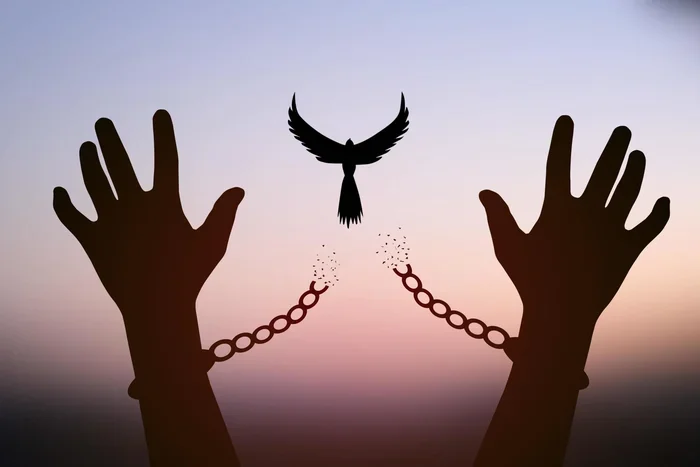

The tyranny meaning goes far beyond simply being a harsh ruler. It describes any system where power is used to control, suppress, and harm people without accountability. Understanding this concept helps you spot abuse of power in government, workplaces, and daily life. This guide breaks down the real meaning, history, signs, and impact of tyranny in a clear and practical way.
Have you ever heard the word tyranny and wondered what it really means? Most people think of a cruel king or a dictator locking up dissidents. But the tyranny meaning goes much deeper than that. It covers any situation where power is used to control and oppress people without any check or balance.
In this article, we will break down the real tyranny meaning in simple terms. You will learn where the word came from, how it shows up today, and why understanding it matters more than ever. Whether you are a student, a professional, or just someone who cares about individual freedom, this guide has something valuable for you.
We will cover the history, the signs, the impact, and practical ways to recognize and resist oppressive rule. Let us dive in and explore this important topic together.
Key Takeaways
- Tyranny meaning: A form of government or behavior where one person or group holds absolute power and uses it cruelly or unfairly.
- Historical roots: The word comes from ancient Greece and has evolved to describe many forms of oppressive rule throughout history.
- Modern relevance: Tyranny is not just about kings and dictators. It can appear in workplaces, institutions, and everyday power dynamics.
- Key signs: Lack of accountability, suppression of free speech, abuse of authority, and erosion of civil liberties are common indicators.
- Impact on society: Tyranny damages mental health, stifles innovation, and weakens the social fabric of communities.
- Resistance matters: Understanding tyranny empowers individuals to recognize it and take action to protect democratic values and individual freedom.
📑 Table of Contents
What Is the Tyranny Meaning?
The Core Definition
At its heart, the tyranny meaning refers to a form of government or behavior where one person or a small group holds absolute power. This power is exercised in a cruel, unfair, and often brutal way. The key idea is that there is no accountability. The ruler does not answer to the people they govern.
Think of it this way. In a healthy system, leaders serve the people. In a tyrannical system, the people serve the leader. The balance of power dynamics is completely tilted.
The word comes from the ancient Greek word “tyrannos.” In early Greece, it did not always carry a negative meaning. A tyrant was simply someone who seized power without legal right. Over time, the word took on its darker connotation we know today.
Today, tyranny definition includes any form of authoritarian rule that strips people of their rights. It can be political, social, or even personal. The common thread is the misuse of authority to control others.
A Brief History of Tyranny
Ancient Times
The concept of oppressive government is as old as civilization itself. In ancient Greece, philosophers like Plato and Aristotle wrote about the dangers of unchecked authority. They warned that when one person holds too much power, the result is often suffering for the many.
The Roman Empire provides another example. While Rome had periods of great prosperity, it also had emperors who ruled through fear. Nero, Caligula, and others are often cited as examples of despotism in action. Their reigns showed what happens when unchecked authority goes unchecked.
The Middle Ages and Beyond
During the Middle Ages, feudal lords often wielded tyrannical power over peasants. Serfs had little to no rights. Their lives were controlled by the whims of local rulers. This form of subjugation lasted for centuries in many parts of Europe.
The Enlightenment era brought a shift. Thinkers like John Locke and Voltaire argued strongly against oppressive rule. They championed democratic values and civil liberties. Their ideas helped shape the modern world and inspired revolutions.
Modern Tyranny
In the 20th century, the world witnessed some of the most brutal examples of totalitarian regime systems. Nazi Germany, Soviet Russia, and other states showed how political oppression can reach terrifying extremes. Millions suffered under these systems. The lessons from this history are vital for understanding the tyranny meaning today.
How Tyranny Shows Up in Modern Society
Many people think tyranny only exists in faraway countries with dictators. But the reality is more nuanced. Tyranny in government is one thing, but oppressive behavior can appear in many areas of life. Let us look at the different ways it manifests.
Tyranny in Government
When a government ignores the will of its people, that is a form of tyranny. This can look like:
- Suppression of free speech and censorship of the media
- Unfair elections or no elections at all
- Arbitrary imprisonment without fair trials
- Human rights violations that go unpunished
- Corruption that serves only those in power
These are not just abstract ideas. They happen in countries around the world. Even in democracies, there are moments when governance drifts toward authoritarian rule. Vigilance is essential.
Tyranny in the Workplace
Here is something many people overlook. Tyranny can show up at your job. A boss who rules through fear, intimidation, or humiliation is displaying tyrannical behavior. This is sometimes called workplace tyranny or toxic leadership.
Signs of oppressive authority in the workplace include:
- Micromanagement that strips employees of autonomy
- Public shaming or belittling of staff
- Unrealistic demands with no room for feedback
- Favoritism and punishment based on personal bias
- Blocking career growth to keep people dependent
Research shows that toxic leadership hurts productivity, mental health, and retention. No one thrives under abuse of power. Recognizing this is the first step toward change.
Tyranny in Everyday Life
Even in our personal relationships and communities, power dynamics can become tyrannical. A partner who controls every aspect of your life is exercising a form of tyranny. A group that bullies others into conformity is also displaying tyrannical behavior.
The tyranny meaning is broad because oppression takes many forms. It is not always about governments or kings. It is about any situation where one party dominates another without fairness or respect.
Signs That Tyranny Is Taking Hold
How do you know when oppressive rule is creeping into a system or a society? There are warning signs. Recognizing them early can make a huge difference.
Here are the most common indicators:
- Erosion of civil liberties. When people lose the right to speak freely, gather peacefully, or practice their religion, that is a red flag.
- Concentration of power. When one person or group holds all the decision-making authority, accountability disappears.
- Fear-based compliance. People follow rules not because they agree with them, but because they are afraid of the consequences.
- Suppression of dissent. Any voice that challenges the status quo is silenced, punished, or ignored.
- Moral corruption. Leaders who lie, cheat, and manipulate without facing consequences signal a tyrannical system.
- Dehumanization of opponents. When critics are labeled as enemies or traitors, it becomes easier to justify cruelty.
If you see several of these signs in your workplace, community, or country, it is worth paying attention. History shows that tyranny rarely arrives all at once. It creeps in slowly, normalizing each step along the way.
Quick Tips: How to Spot Tyranny Early
- Watch for gradual restrictions on individual freedom.
- Notice if leaders avoid accountability for their actions.
- Pay attention to how dissent is treated.
- Track whether social justice values are being upheld or undermined.
- Trust your instincts when something feels wrong.
The Impact of Tyranny on Society
The effects of oppressive rule go far beyond the people directly affected. Tyranny damages entire societies in deep and lasting ways. Understanding these impacts helps us appreciate why standing against tyranny matters so much.
Psychological Impact
Living under authoritarian rule takes a serious toll on mental health. People develop anxiety, depression, and a sense of hopelessness. When you cannot speak your mind or challenge unfair decisions, you feel powerless. Over time, this subjugation erodes self-esteem and creativity.
Children growing up in tyrannical environments often carry the trauma into adulthood. They may struggle with trust, assertiveness, and healthy relationships. The psychological damage is real and long-lasting.
Economic Impact
Tyranny also hurts economies. When unchecked authority controls resources, innovation suffers. Entrepreneurs are afraid to take risks. Businesses operate under constant threat. Foreign investors lose confidence. The result is often poverty, inequality, and stagnation.
Studies have shown that countries with strong democratic values tend to have stronger economies. Freedom and prosperity are closely linked. When tyranny takes hold, economic progress stalls.
Social Impact
On a social level, tyranny divides people. Fear replaces trust. Neighbors spy on neighbors. Communities break apart. The social fabric that holds a society together starts to unravel.
Civil disobedience often rises as a response to tyranny. People find creative and courageous ways to push back. From peaceful protests to underground publications, resistance takes many forms. But the cost is high, and the scars run deep.
How to Recognize and Resist Tyranny
Understanding the tyranny meaning is only half the battle. The other half is knowing what to do about it. You do not need to be a hero to make a difference. Small, consistent actions add up.
Educate Yourself and Others
Knowledge is power. Learn about human rights, democratic values, and the history of oppressive government. Share what you learn with friends, family, and colleagues. Awareness is the first line of defense.
Support Independent Media
Free and independent media is one of the strongest checks on abuse of power. When journalists can report without fear, they hold leaders accountable. Support quality journalism and seek out diverse sources of information.
Speak Up
Silence enables tyranny. When you see unfairness, speak up calmly and respectfully. Use your voice in meetings, in your community, and in public forums. Civil disobedience has a long and proud history of creating change.
Protect Civil Liberties
Defend the rights of others, even when you disagree with them. Individual freedom is not something to take for granted. It must be actively protected by every generation.
Build Strong Communities
Tyranny thrives in isolation. Strong, connected communities are harder to oppress. Get involved in local organizations, neighborhood groups, and civic activities. Unity is a powerful force against oppressive authority.
Common Mistakes People Make About Tyranny
There are several misconceptions about the tyranny meaning that can hold people back from understanding it fully. Let us clear up a few of the most common ones.
- Mistake 1: Thinking tyranny only exists in other countries. Oppressive behavior can happen anywhere, including in your own community or workplace.
- Mistake 2: Believing tyranny always looks dramatic. Often, tyranny is quiet and gradual. It does not always look like a dictator on a balcony. Sometimes it looks like a slow erosion of rights.
- Mistake 3: Assuming only leaders can be tyrannical. Anyone who abuses their position of power to control others is displaying tyrannical behavior.
- Mistake 4: Thinking resistance must be violent. Some of the most effective resistance has been peaceful. Words, art, organizing, and civil disobedience are powerful tools.
Avoiding these mistakes helps you see the tyranny meaning more clearly. It also helps you respond more effectively when you encounter it.
Expert Insights on Understanding Tyranny
Political scientists and historians have spent decades studying the roots and effects of authoritarian rule. Here are some insights that can deepen your understanding.
Dr. Hannah Arendt, a famous political theorist, wrote about the “banality of evil.” She argued that tyranny often comes not from monsters, but from ordinary people who follow orders without thinking. This insight reminds us that everyone has a responsibility to question authority and think critically.
Historian Timothy Snyder has warned about the warning signs of totalitarian regime systems. He emphasizes the importance of protecting institutions, speaking truth, and preserving democratic values before it is too late.
These experts agree on one thing: understanding the tyranny meaning is not just an academic exercise. It is a practical necessity for anyone who cares about freedom and justice.
Conclusion
The tyranny meaning is richer and more relevant than most people realize. It is not just about ancient kings or distant dictators. It is about the abuse of power in any form, at any level of society. When authority is used to control, suppress, and harm people without accountability, that is tyranny.
Understanding this concept empowers you to recognize it in your own life. It gives you the tools to protect civil liberties and stand up for social justice. Whether the oppressive rule shows up in government, the workplace, or personal relationships, awareness is your greatest asset.
History teaches us that tyranny always ends when people refuse to accept it. Every act of courage, every voice raised in defense of individual freedom, and every community that chooses fairness over fear makes a difference. The fight against oppressive authority is ongoing, and it needs people like you.
Now that you understand the real tyranny meaning, you are better equipped to spot it, challenge it, and help build a more just and free world. Use this knowledge wisely, and never underestimate the power of one informed and courageous person.
Frequently Asked Questions
What is the simple definition of tyranny?
Tyranny is a form of government or behavior where one person or group holds absolute power and uses it unfairly and cruelly. It involves abuse of power without any accountability to the people affected.
How is tyranny different from authoritarianism?
While both involve concentrated power dynamics, tyranny is specifically about cruel and oppressive rule. Authoritarianism is a broader term for systems with limited political freedom. All tyrannies are authoritarian, but not all authoritarian systems are tyrannical.
Can tyranny exist in a democracy?
Yes. Tyranny in government can emerge even in democratic systems when leaders ignore checks and balances, suppress dissent, or concentrate power unfairly. This is why protecting democratic values requires constant vigilance.
What are some real-world examples of tyranny today?
Examples include countries where human rights violations are widespread, free speech is censored, and elections are not free. However, tyranny can also appear in toxic workplaces, controlling relationships, and institutions that abuse their authority without oversight.
How can ordinary people resist tyranny?
You can resist by educating yourself, supporting independent media, speaking up against unfairness, defending civil liberties, and building strong communities. Civil disobedience and peaceful protest have a long history of creating meaningful change.
Why is understanding the tyranny meaning important?
Understanding the tyranny meaning helps you recognize oppressive behavior early, before it becomes entrenched. It empowers you to protect your own individual freedom and advocate for social justice in your community and beyond.
=== QUICK SUMMARY ===
The tyranny meaning goes far beyond simply being a harsh ruler. It describes any system where power is used to control, suppress, and harm people without accountability. Understanding this concept helps you spot abuse of power in government, workplaces, and daily life. This guide breaks down the real meaning, history, signs, and impact of tyranny in a clear and practical way.
=== KEY TAKEAWAYS ===
Key Takeaways
- Tyranny meaning: A form of government or behavior where one person or group holds absolute power and uses it cruelly or unfairly.
- Historical roots: The word comes from ancient Greece and has evolved to describe many forms of oppressive rule throughout history.
- Modern relevance: Tyranny is not just about kings and dictators. It can appear in workplaces, institutions, and everyday power dynamics.
- Key signs: Lack of accountability, suppression of free speech, abuse of authority, and erosion of civil liberties are common indicators.
- Impact on society: Tyranny damages mental health, stifles innovation, and weakens the social fabric of communities.
- Resistance matters: Understanding tyranny empowers individuals to recognize it and take action to protect democratic values and individual freedom.



